About The Author
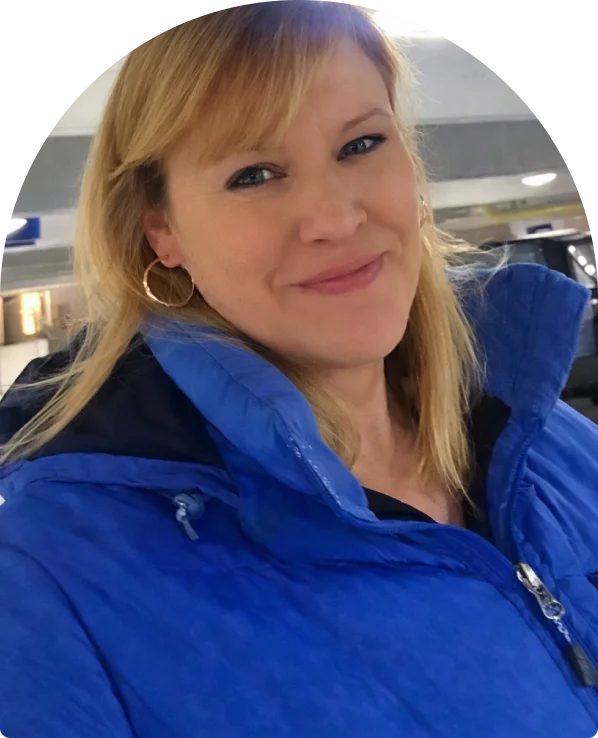
About the Author
Beth Gardner is a survivor, humanitarian, and advocate for hope. After overcoming stage 3 breast cancer and remaining cancer-free for over two decades, she has dedicated her life to inspiring others through resilience, faith, and service.
With over 20 years of experience across the investment and nonprofit sectors, she has applied her expertise in Fortune 500-level grassroots fundraising, public relations, communications, marketing, and event management. She has also served as a business and community liaison, building strong partnerships and driving meaningful impact.
An accomplished keynote speaker and retired elite rowing athlete, Beth’s journey is defined by determination, purpose, and perseverance. Rather than allowing her struggles to define her, she uses her story to uplift and guide others facing similar battles.
Currently, Beth works full-time with a private home care company in New York City, supporting clients across all five boroughs and Westchester County. Her work is deeply personal—shaped by her own experience receiving infusion chemotherapy for 12 weeks under private home care nursing, as well as her long-term role as a family caregiver since 2013. Having lived both sides of care—as a patient and as a caregiver—she brings rare compassion, understanding, and authenticity to her work in the home care field.
Message from Beth
“ This book was written with a impartial purpose to ensure that no one fellow human being across the globe, regardless of heritage, natural skin melanin, religious/spiritual practices, physical or mental special needs, or gender, has to suffer in silence. Sometimes in life you just need to learn about one fellow human who actually beat the odds of a nondiscriminatory disease to motivate and ignite the fire within your own soul. “
My Inspiration
Beth’s writing and life path have been profoundly shaped by her late grandmother, Martha (Clark) Gardner, and her great-aunt, Josephine (Clark) Fox, who continue to be guiding forces in her personal and professional journey. Both women defied the expectations of their generation—pursuing careers, working during WWII, and attending Carnegie Institute of Technology (now Carnegie Mellon University) at a time when most women were expected to focus solely on homemaking. Their strength, values, and unwavering spirit laid the foundation for Beth’s outlook on life and inspired her drive to overcome challenges, including her own battle with illness.
One of Beth’s most meaningful childhood memories is captured in a photograph of her, her grandmother Martha, and her great-aunt Josephine, taken when she was just five years old. The photo was taken to commemorate the planting of the tree behind them, marking a special family moment. This memory represents not only a cherished occasion but also the enduring legacy of love, resilience, and determination that continues to influence her work today.
Through her book and personal journey, Beth honors the legacy of these remarkable women by transforming personal hardship into purpose and turning pain into inspiration for others who may be walking similar paths.
My late older brother, Todd, who was born with cerebral palsy and significant cognitive challenges, is the central theme and motivation behind my fight against disease. His life inspired me to take the time to understand why I faced my own struggles, and his spirit is a thread woven throughout this book. He was, and still is, an older soul than mine. Cancer does not run in my DNA, but the addiction to chocolate does.
Despite being born with numerous physical and mental challenges, Todd faced yet another obstacle in his early twenties when his left lung collapsed. Remarkably, he lived the rest of his life successfully with only one lung.
When I was diagnosed with stage 3 breast cancer at age 30, the initial shock was overwhelming—but witnessing Todd’s lifelong perseverance gave me no excuse not to fight. I had watched my six-years-older brother navigate 57 years of physical and mental hardships, and his resilience set the bar for me.
Though cancer is often called a “silent killer,” Todd embodied perseverance. He radiated love and gentle patience, living as an example of what it means to walk spiritually in blind faith. Unintentionally, he showed me the full measure of what a human being and a soul can endure and overcome throughout a lifetime.
In comparison, my own cancer recovery—12 weeks of home infusion therapy followed by 6 weeks of radiation at Pennsylvania Hospital in 2001—felt like a leisurely walk through Central Park on a warm spring weekend. Todd’s lifetime of challenges put my journey into perspective: giving up was never an option.